An educational exhibition route and a teaching aquarium where visitors can admire the species of the Adriatic Sea.
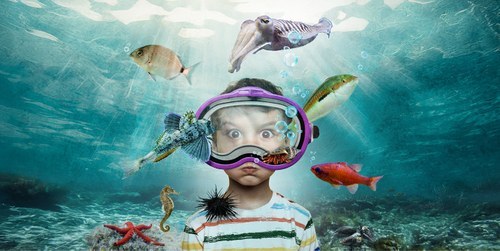
Didamar is an educational aquarium and visitor center where guests can explore the extraordinary biodiversity of the Adriatic Sea. Designed for visitors of all ages, schools, and families, Didamar offers an engaging journey through Adriatic marine ecosystems, showcasing the remarkable diversity of life beneath the waves. Through immersive exhibits and educational experiences, visitors gain a deeper understanding of the importance of marine conservation and the challenges that human activities pose to both the environment and society.
The aquarium features a series of tanks recreating some of the most distinctive habitats of the Adriatic and Mediterranean Seas.
This exhibit highlights the ecological importance of Posidonia oceanica, an endemic Mediterranean seagrass that plays a vital role in coastal protection and biodiversity conservation. Species on display include pipefish, seagrass sea urchins, and red sea stars.
One of the Mediterranean’s richest biodiversity hotspots, the coralligenous habitat hosts a wide variety of colorful organisms that blend seamlessly with the surrounding rocky environment, including the red damselfish.
Characterized by reduced light and highly variable environmental conditions, this habitat is home to species specially adapted to life in the shadows, such as the cardinal fish (Apogon imberbis).
These submerged rocky formations create islands of biodiversity within sandy seabeds. Visitors can observe species such as peacock wrasses, sea anemones, and many other reef-associated organisms.
Inspired by the rocky coastline of the Conero region, this exhibit showcases a habitat rich in marine life, including wild mussels (moscioli), seabreams, and white seabreams.
Artificial coastal structures often become thriving marine habitats. This exhibit illustrates how numerous species colonize these environments and adapt to changing environmental conditions.
Sandy-bottom habitats support a surprising diversity of life, including flatfish and many organisms that rely on camouflage for survival.
A collection of thematic exhibits featuring iconic Adriatic species such as hermit crabs, scorpionfish, and other fascinating marine organisms.
This exhibit explores how the Mediterranean Sea is gradually changing as its waters become warmer and more acidic. These environmental shifts affect the health and survival of many marine organisms, altering ecosystems and biodiversity. The consequences extend beyond the marine environment, impacting human well-being as well as economic activities that depend on healthy seas, including fisheries and tourism.
A key component of environmental monitoring is the Fortunae Oceanographic Buoy, a unique offshore marine research platform. Located approximately two nautical miles from the coast within the area managed by the Fano Marine Center, the buoy continuously records environmental data, providing valuable insights into the condition of the Adriatic Sea.
By monitoring changes in oceanographic parameters over time, the buoy helps scientists understand how marine ecosystems are evolving and assess the potential impacts of these changes on coastal environments.
During the visit, a QR code allows visitors to access the buoy’s dedicated website, where they can view real-time environmental data and live images from the onboard webcam.
The term alien species refers to animals, plants, and algae that have been introduced—either intentionally or accidentally by humans—into environments outside their natural range. Some of these species can become invasive, posing a threat to native biodiversity, human health, and local economies.
This exhibit presents some of the most widespread alien species found in the Mediterranean Sea, including the blue crab, the silver-cheeked toadfish, the rabbitfish, several species of green algae, and various jellyfish. Visitors can learn how these species arrived, how they spread, and the ecological, social, and economic impacts they may have on marine ecosystems and coastal communities.
Marine pollution encompasses many forms of contamination that are placing increasing pressure on marine ecosystems. In addition to the widespread problem of marine litter and plastic debris, the sea is also affected by chemical pollution, light pollution, and noise pollution. It is estimated that approximately 80% of marine pollution originates from land-based sources.
This exhibit explores the impacts of these pollutants on marine environments, biodiversity, and human well-being. It also invites visitors to reflect on one of the most pressing environmental questions of our time: Can we truly restore and protect our oceans from pollution, and what actions are needed to achieve this goal?
DIDAMAR was created through the collaboration of leading academic and research institutions. Its mission is to promote knowledge, awareness, and stewardship of marine ecosystems through education, outreach, and public engagement.
Winter Schedule
September 15 – June 14
Summer Schedule
June 15 – September 14
Guided tours led by aquarium staff are available at the following times:
Winter
(Thursday and Friday, subject to school activities)
All Other Opening Days
The exhibition experience typically lasts between 45 minutes and 1 hour.
Visitors are encouraged to begin their visit at the start of each hour.
Each guided tour group can accommodate a maximum of 30 visitors.